Home › Cleanup & Safety
Rodent Droppings Cleanup & Hantavirus Safety
How to clean up droppings, urine, nests and dead rodents without stirring germs into the air. These steps follow current CDC guidance.
Independent information website. Castle Rock Rodent is not a pest control company. We don’t inspect, trap or treat, and we aren’t taking service requests yet. How this site works
Before You Start
Short answer: air the space out, put on gloves, soak droppings with disinfectant for 5 minutes, then wipe them up with paper towels. Never sweep or vacuum them.
Don’t sweep or vacuum droppings, urine or nesting material. The CDC says this can put tiny droplets containing viruses into the air.
Air the space out first
In a home, cabin, shed or garage, open the doors and windows and leave the area for 30 minutes before you start.
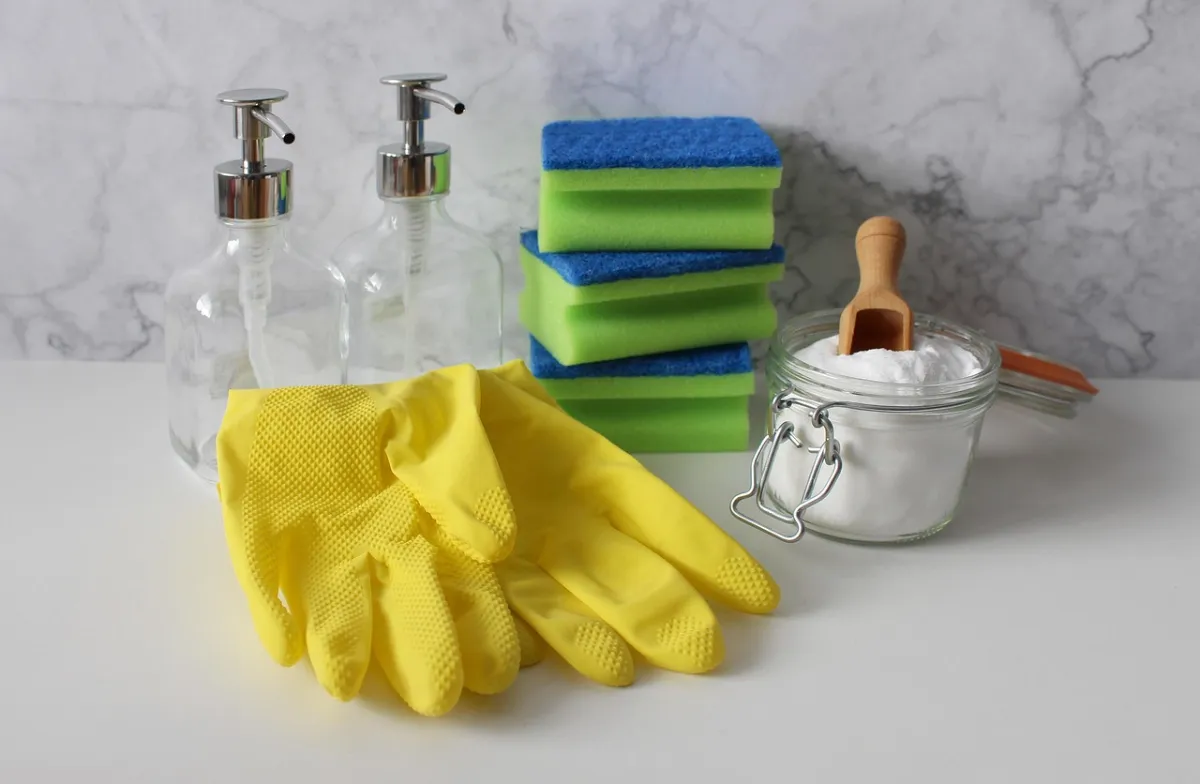
What you need
- Rubber or plastic gloves
- A disinfectant whose label says “disinfectant”, or a fresh bleach solution: 1.5 cups of household bleach in 1 gallon of water (1 part bleach to 9 parts water)
- Paper towels
- Plastic bags and a covered trash can
- Soap and warm water for your hands
If you use a commercial product, follow its label, including how long it must stay wet.
Mouse Droppings Cleanup: Step by Step
- Put on rubber or plastic gloves.
- Spray the droppings or urine with disinfectant or bleach solution until very wet. Let it soak for 5 minutes, or as long as the product label says.
- Wipe it up with paper towels.
- Put the paper towels in a covered trash can that is emptied regularly.
- Mop or sponge the area with disinfectant. Clean countertops, cabinets and drawers too.
- Wash your gloved hands with soap and water or disinfectant before you take the gloves off.
- Wash your bare hands with soap and warm water.
Dead Rodents and Nests
- Put on gloves.
- Spray the rodent or nest and the area around it with disinfectant. Let it soak for 5 minutes, or as the label directs.
- Put it, along with any used trap, in a plastic bag and tie it closed.
- Put that bag inside a second bag and tie it closed.
- Put it in a covered trash can that is emptied regularly.
- Wash gloved hands, remove the gloves, then wash bare hands with soap and warm water.
The CDC also suggests considering an EPA-registered insect repellent such as DEET on clothing and shoes to reduce flea exposure.
Reusing Snap Traps
- Wearing gloves, soak the trap in disinfectant for 5 minutes.
- Hold it over a plastic bag and lift the bar to release the rodent.
- Rinse the trap and let it dry completely before reuse.
Other items
- Clothing and bedding: wash in hot water with detergent and dry on high heat or in the sun.
- Carpets and upholstery: shampoo with a commercial disinfectant or use a commercial-grade steam cleaner.
- Books and papers: leave in sunlight for several hours, or in a rodent-free area for at least three weeks.
- Cardboard: throw out contaminated boxes. Disinfect plastic, glass and metal containers.
- Insulation: bag contaminated, exposed insulation for removal.
Cars and Garages
- Open the hood, doors and trunk for 20 minutes before inspecting.
- Disconnect the battery before working in the engine compartment, and reconnect it once everything is dry.
- Don’t use a vacuum or pressure washer until surfaces are disinfected.
- If there is nesting in the air intake, remove it and replace the cabin or engine air filter.
When to Get Help
- Ducts: the CDC recommends a professional if rodents have got into heating or cooling ducts.
- Heavy infestations: the CDC advises contacting your local or state health department first. Large cleanups call for coveralls, boots, goggles and a properly fitted respirator.
In Douglas County, the Health Department can be reached at 720-643-2400.
Sources: CDC: How to Clean Up After Rodents, Douglas County Health Department: Rodents
Hantavirus: What Castle Rock Residents Should Know
Hantavirus spreads mainly through contact with the urine, droppings and saliva of infected rodents. The CDC says the deer mouse spreads the most common type that causes hantavirus pulmonary syndrome in the United States. Douglas County notes that cases occur in Colorado each year, usually in spring and summer.
In May 2026, Douglas County confirmed a hantavirus case in a county resident and said the risk to the general public remains low. The best protection is avoiding contact with rodents and cleaning up safely.
Symptoms to watch for
According to the CDC, symptoms usually start 1 to 8 weeks after contact with an infected rodent. Early symptoms include fatigue, fever and muscle aches, especially in the thighs, hips and back. Coughing and shortness of breath can follow.
If you feel sick after rodent contact, see a doctor right away and mention the exposure. Early symptoms can look like the flu.
This page is general information, not medical advice. Sources: CDC: About Hantavirus, Douglas County statement, May 16, 2026.
Cleanup Questions
Can I use a shop vacuum with a HEPA filter?
The CDC’s homeowner guidance says not to vacuum or sweep droppings, urine or nesting material. Use the wet-wipe method instead.
Do I need a mask?
For ordinary cleanup, the CDC’s steps center on airing out the space, gloves and wetting everything with disinfectant. For heavy infestations it recommends respiratory protection and contacting the health department.
How long should disinfectant sit?
At least 5 minutes, or as long as the product label says.
Is it safe to clean a cabin or shed that has been closed all winter?
Open it up and leave it for 30 minutes before going in, then follow the steps above.